Friday, January 31, 2025

Echoes of History Biography: Jing Ke, Gao Jianli 荆轲、高渐离

Jing Ke and Gao Jianli 荆轲、高渐离

(Pre-Qin, Warring States period)


"Shrill winds rise, waters cold;
The hero shall go and never come home!"

I have written about their stories for past songs, "Farewell by Yi River", as well as "Ancestor of Dragons", so do check them out.


For "Farewell by Yi River", the English translation are available as subtitles for the cover below, with stylised character designs by Wang Chuan Feng Hua Lu for the two historical figures.


Original video for their character song: https://www.bilibili.com/video/BV1Cs411A7gd 

Echoes of History Biography: Qu Yuan 屈原

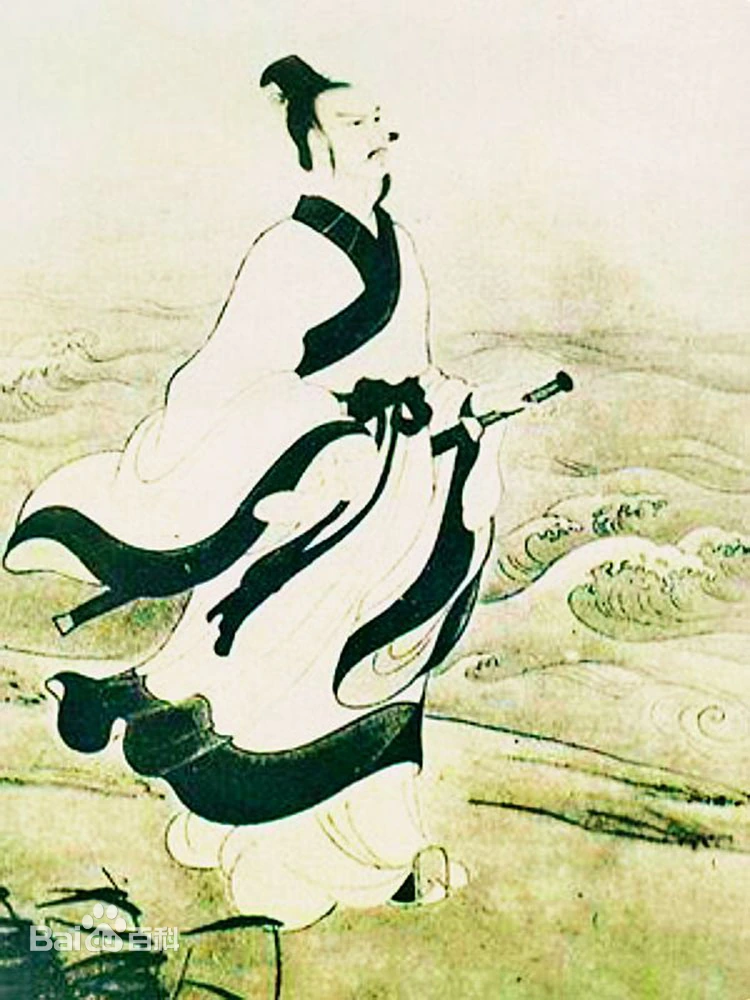
 Qu Yuan 屈原 

(Pre-Qin, Warring States period, c. 340 BC – 278 BC)

Image source: https://baike.baidu.com/item/%E5%B1%88%E5%8E%9F/6109

Patriot and poet who died for his cause, a symbol of the idealistic statesman with noble ambitions. Born during the Warring States period, Qu Yuan was a man of exceptional talent with the political will to match. He harboured grand ambitions to build up his homeland, the Kingdom of Chu. He was also known to have held himself to a high moral standard and was compassionate to the people’s plight. His virtues won him the trust and support of the then King Huai of Chu (楚怀王) to push for a series of governmental reforms. However, his reforms evoked the ire and jealousy of his colleagues. They banded together to disparage and defame Qu Yuan before their king. This caused the king to first distant him, then dismissed him from his post and banished him from court altogether. While in exile, the court became increasingly corrupt as the kings heeded self-serving courtiers. Miscalculations after miscalculations finally led to the kingdom’s destruction. Devastated by the fall of his kingdom, despaired from the utter failure of his life’s mission, Qu Yuan completed his long form poem, “Li Sao” (translated as “The Lament” or “Encountering Sorrows”), then threw himself into the Miluo River, a tributary to the Xiang River.

Excerpts of his poem have been arranged into modern songs:

Link to this song with English translations: https://www.youtube.com/watch?v=IhLCaSgquXs Second song, from a different excerpt: https://www.youtube.com/watch?v=fa4txQTjOH4

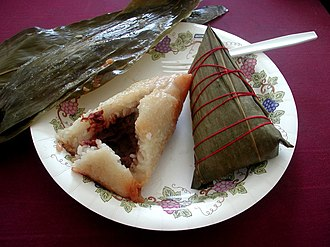
In some records, it is said Qu Yuan met an old fisherman while trailing by the river. Upon learning about his predicament, the fisherman advised him with such words: “If the river water is clear, I can wash my hat in it. If the river water is murky, I can wash my feet in it.” But Qu Yuan could not accept compromising on his principles, so he chose instead to die for his cause. The Dragon Boat Festival (or Midyear festival, “Duanwu”), occurring around June every year, is set as a day of remembrance for Qu Yuan. It is also said that as a final gesture of appreciation, people threw rice dumplings (“zongzi”) into the river so that the fishes will eat those instead of Qu Yuan’s body, and made great commotion (e.g., rowing dragon boats) to drive the schools of fishes away.

Zongzi rice dumplings.

Trivia: A guy dubbed “the most hardcore Qu Yuan cosplay in history” jumps into the river every year during the Dragon Boat Festival: https://www.bilibili.com/video/BV1y4411g7Uc/


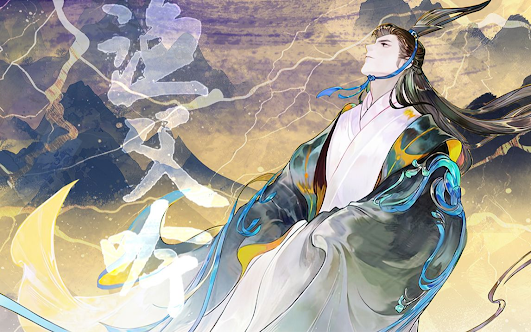
Qu Yuan as a character in the game and music production, “Wang Chuan Feng Hua Lu” (忘川风华录), roughly translated as “Records of Magnificience by the River of Oblivion”.

This image is the thumbnail for a fan-written song about Qu Yuan, “Song of the Old Fisherman”. Source: https://zh.moegirl.org.cn/zh-hk/%E6%B8%94%E7%88%B6%E5%90%9F


Echoes of History Biography: Jiang Ziya 姜子牙

Jiang Ziya / Jiang Shang / Jiang Taigong  姜子牙 / 姜尚 / 姜太公

(Pre-Qin, Zhou Dynasty, 1128 BC - 1015 BC)


A near mythical figure in the early ages of the Zhou dynasty, often considered one of the best and wisest royal advisors. 


One day, when a Lord Ji Chang (姬昌) read his fortune for a hunting trip, it was predicted that he would find no beast, but exceptional talent to support his ambitions. 


Therefore, he paid special attention when he saw an old man fishing by the Wei river. 


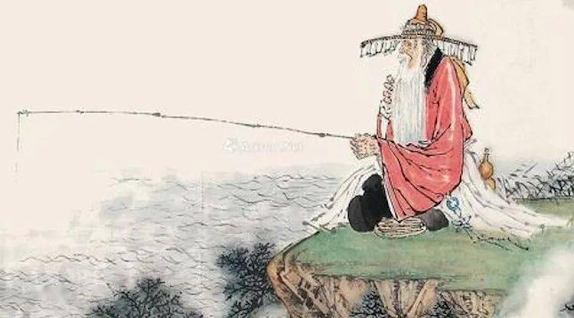
The man had a long fishing pole, but with a fish line that was noticeably short. The oddest thing was, the hook was not a hook, but straight as a needle, hovering above water without any bait. 


Source: https://www.sohu.com/a/590923230_121124722 


Lord Ji Chang recognised that this was no ordinary man, and so approached him. He was struck by the wisdom in the old man’s political ideology, based upon duty and obligations as rulers and consideration for the people. This especially roused Lord Ji Chang’s interest, given the decay of the reigning regime by the ruthless and corrupt King Zhou of Shang (商纣王). This old man was none other than Jiang Shang, or Ziya by his courtesy name. 


With great sincerity Lord Ji Chang invited the old man to be his advisor. This old man went on to lead victories after victories for his lord. In one decisive battle, he advised restraint for his lord’s army, for the Shang King’s army, having much pent up resentment for their ruler, would easily defect to their side. His predictions came true, and Lord Ji Chang became King Wen of Zhou (周文王), the founder of the Zhou dynasty. 


He was also granted the title of “Taigong Wang” (roughly translated as Great Lord). 


Trivia:


A common Chinese saying goes: “Jiang Taigong goes fishing - only the willing takes the bait” (姜太公钓鱼——愿者上钩). 


Jiang Ziya is also featured in the classical novel "Investiture of the Gods" (封神演义), a mixed historical-fantasy novel written around the 16th century, during the Ming dynasty. 


Jiang Ziya as a character in the game and music production by “Wang Chuan Feng Hua Lu”. The official song 《归钓吟》is very crudely translated as “Song of the Returning Angler".


旷古回响 - Echoes of History: Footage attributions

*I used official translated titles where available, otherwise I either kept their pinyin or did my own translation. 


屈原:纪录片《鉴史问廉》

Qu Yuan: Documentary “Jian Shi Wen Lian” 


姜太公:1990年版《封神榜》

Jiang Taigong: 1990 TV series “Investiture of the Gods”


高渐离:电视剧《秦时明月》

荆轲:电视剧《秦时明月》

Gao Jianli, Jing Ke: TV series “The Legend of Qin”


干将:2006年版《搜神传》

莫邪:2006年版《搜神传》

Gan Jiang, Mo Ye: TV series “Legend of the Demigods”


勾践:2007年版《卧薪尝胆》

Goujian: 2007 TV series “The Great Revival”


夫差:综艺《典籍里的中国第二季》

Fuchai: Variety show “China in Classics” 2nd season


白起:《大秦帝国之崛起》

Bai Qi: TV series “The Qin Empire III”


李斯:纪录片《中国》

韩非:纪录片《中国》

Li Si, Han Fei: documentary “Zhong Guo” or ”Middle Kingdom”


嬴政:2007版《秦始皇》纪录片《从秦始皇到汉武帝》

Ying Zheng: 2007 TV series “Qin Shi Huang”, documentary “From Qin Shi Huang to Emperor Wu of Han” 


张良:电影《鸿门宴传奇》

韩信:电影《鸿门宴传奇》

刘邦:电影《鸿门宴传奇》

项羽:电影《鸿门宴传奇》

Zhang Liang, Han Xin, Liu Bang, Xiang Yu: 2011 movie “White Vengeance”


张骞:纪录片《河西走廊》

解忧公主:纪录片《河西走廊》

Zhang Qian, Princess Jieyou: Documentary “Hexi Corridor” 


王昭君:1987版《王昭君》

Wang Zhaojun: 1987 TV series “Wang Zhaojun”


霍去病:2005版《汉武大帝》

卫青:2005版《汉武大帝》

刘彻:2005版《汉武大帝》

Huo Qubing, Wei Qing, Liu Che: 2005 TV series “The Emperor in Han Dynasty” 


Interlude

王的盛宴 - 2012 movie "The Last Supper"


孙策:1994版《三国演义》

周瑜:1994版《三国演义》

赵云:1994版《三国演义》

Sun Ce, Zhou Yu, Zhao Yun: 1994 TV series “Romance of the Three Kingdoms”


阮籍:2003版《天龙八部》(cos)

Ruan Ji: 2003 TV series “Demi-gods and Semi-devils” (represented by another character)


嵇康:电影《东邪西毒》(cos)

Ji Kang: Movie “Ashes of Time” (represented by another character)


甄妃:电视剧《大军师司马懿之军师联盟》

Lady Zhen: TV series “The Advisor’s Alliance” 


曹植:1994版《三国演义》

曹丕:1994版《三国演义》

Cao Zhi, Cao Pi: 1994 TV series “Romance of the Three Kingdoms”


谢玄:电视剧《琅琊榜》(cos)

Xie Xuan: TV series “Nirvana in Fire” (represented by another character)


谢道韫:电影《天真派:红楼梦之桃花诗社》(cos)、2007版电视剧《梁山伯与祝英台》

Xie Daoyun: Movie “Tian Zhen Pai: Hong Lou Meng Zhi Taohua Shishe” (represented by another character), 2007 TV series “Butterfly Lovers” 


王羲之:2004版《凤求凰》(cos)

Wang Xishi: 2004 TV Series “Feng Qiu Huang” 


陶渊明:纪录片《千古风流人物》

Tao Yuanming: Documentary “Qian Gu Feng Liu Ren Wu” 


高长恭:2016版《兰陵王妃》

Gao Changgong: 2016 TV series “Princess of Lanling King”


花木兰:2020版电影《花木兰》

Hua Mulan: 2020 movie “Mulan”


平阳昭公主:2012版《穆桂英挂帅》(cos)

Princess Pingyang: 2012 TV series “Mu Guiying Takes Command” 


武曌:电视剧《神探狄仁杰》

Wu Zhao: TV series “Amazing Detective Di Renjie” 


李世民:电视剧《贞观之治》

魏征:电视剧《贞观之治》

Li Shimin, Wei Zheng: TV series “The Rise of the Tang Empire” 


狄仁杰:电视剧《神探狄仁杰》

Di Renjie: TV series “Amazing Detective Di Renjie” 


上官婉儿:1995版电视剧《武则天》

Shangguan Wan’er: 1995 TV series “Wu Zetian”


太平公主:《大明宫词》

Princess Taiping: TV series “Palace of Desire”


李隆基:纪录片《大明宫》

Li Longji: Documentary “Legend of the Tang Empire”


杨玉环:1993版电影《杨贵妃》

Yang Yuhuan: 1993 movie “Yang Guifei” 


公孙大娘:纪录片《中国》

Madam Gongsun: Documentary “Zhong Guo” or “Middle Kingdom”


红拂女:电视剧《天盛长歌》(cos)

Hongfu/Red Duster: TV series ”The Rise of Phoenixes” (represented by other characters)


鱼玄机:电影《大唐豪放女》

Yu Xuanji: Movie ”An Amorous Woman of Tang Dynasty” 


玄奘:1982版《西游记》

Xuanzang: 1982 TV series “Journey to the West”


袁天罡、李淳风:纪录片《中国》(cos)

Yuan Tianggang, Li Chunfeng: Documentary “Zhong Guo” or “Middle Kingdom” (represented by other character)


李白:1993版电视剧《唐明皇》

Li Bai: 1993 TV series ”Tang Ming Huang” 


杜甫:纪录片《中国》

Du Fu: Documentary “Zhong Guo” or “Middle Kingdom” 


元稹:《陆小凤传奇》(cos)

白居易:《陆小凤传奇》(cos)

Yuan Zhen, Bai Juyi: ”The Legend of Lu Xiaofeng” 


李煜:电视剧《灼灼风流》(cos)

Li Yu: TV series “The Legend of Zhuohua” (represented by another character)


大周后:1996版电视剧《情剑山河》

Empress Zhou the elder: 1996 version ”Qing Jian Shan He”


薛涛:《苍兰诀》(cos)

Xue Tao: TV series “Love between Fairy and Devil” (represented by another character)


苏轼:2012版电视剧《苏东坡》

Su Shi: 2012 TV series “Su Dongpo” 


陆游:纪录片《千古风流人物》

Lu You: Documentary “Qian Gu Feng Liu Ren Wu” 


李清照:1988版电视剧《李清照》

Li Qingzhao: 1988 TV series “Li Qingzhao” 


梁红玉:2013版《精忠岳飞》

Liang Hongyu: 2013 TV series “The Patriot Yue Fei” 


赵匡胤:2005《问君能有几多愁》

Zhao Kuangyin: 2005 TV series “How Much Sorrow Do You Have” 


王安石:电视剧《大宋宫词》(cos)

Wang Anshi: ”Palace of Devotion” (represented by another character)


佛印:电影《妖猫传》(cos)

Foyin: Movie “Legend of the Demon Cat” (represented by another character)


赵孟頫:综艺《斯文江南》

管道昇:综艺《斯文江南》

Zhao Mengfu, Guan Daosheng: Variety show “Si Wen Jiangnan” 


欧阳修:纪录片《千古风流人物》

Ouyang Xiu: Documentary “Qian Gu Feng Liu Ren Wu” 


王阳明:纪录片《王阳明》

Wang Yangming: Documentary “Wang Yangming” 


于谦:电视剧《大明风华》

Yu Qian: 2019 TV series “Ming dynasty” 


朱元璋:2008版《朱元璋》

马皇后:2008版《朱元璋》

Zhu Yuanzhang, Empress Ma: 2008 TV series “Zhu Yuanzhang”


郑和:2009版《郑和下西洋》(《大航海》)

Zheng He: 2009 TV series “The Great Voyage” or “Zheng He Xia Xiyang”


黄道婆:2010版《天涯织女》

Huang Daopo: 2010 TV series “A Weaver on the Horizon”


宋应星:综艺《典籍里的中国》

Song Yingxing: Variety show “China in Classics” 


祖冲之:镇江人才周宣传片

Zu Chongzhi: Zhenjiang talent week promotional video


王贞仪:综艺《国家宝藏》

Wang Zhenyi: Variety show “National Treasures” 


汤显祖:《云襄传》(cos)

Tang Xianzu: TV series “The Ingenious One” (represented by another character)


蒲松龄:《皇太子秘史》(cos)

Pu Songling: TV series ”Huang Taizi Mishi” (represented by another character) 


唐伯虎:2004版《聊斋之花姑子》(cos)

Tang Bohu: 2004 TV series ”Hua Gu Zi” (represented by another character) 


冯梦龙:2010版《新西厢记》(cos)

Feng Menglong: 2010 TV series ”Romance of the Western Chamber” (represented by another character)


司马光:《清平乐》

Sima Guang: TV series “Serenade of Peaceful Joy” 


班昭:综艺《典籍里的中国》

Ban Zhao: Variety show “China in Classics”


司马迁:纪录片《风追司马》、综艺《典籍里的中国》

Sima Qian: Documentary “Feng Zhui Sima”, variety show “China in Classics”


旷古回响 - Echoes of History: Masterlist of Biographies

This is the list of historical figures alluded to in the song "Echoes of History". I intend to write short biographies for them, but this is a huge undertaking and am not able to complete it just yet. Links to those for which the write-ups are completed and published will be included, and the rest are still work in progress. 

I can't promise that I can finish them all, but at least I figure I'll get as much out as possible. If not, feel free to do your own research by referring to this. Hope that helps!

-------------------------------------------------------------------------------------------------------------

Historians

  1. Sima Qian 司马迁 (145 BC- c. 86 BC) - author of the “Records of the Grand Historian”

  2. Ban Zhao 班昭 (c.49 - c.120) - historian, educator, co-author of the “Book of Han” 

  3. Sima Guang 司马光 (1019 - 1086) - historian, author of the “Comprehensive Mirror in Aid of Governance”


[Pre-Qin - Qin dynasty]

  1. Qu Yuan 屈原 (c. 340 BC - 278 BC) - statesman, patriot, poet

  2. Jiang Ziya 姜子牙 (1128 BC - 1015 BC) - strategist, military general

  3. Gao Jianli 高渐离 - musician, zither player 

  4. Jing Ke 荆轲 (? - 227 BC) - assassin 

  5. Gan Jiang, Mo Ye 干将、莫邪 - swordsmith couple

  6. Gou Jian 勾践 (496 BC - 465 BC) - King of Yue 

  7. Fu Chai 夫差 (495 BC - 473 BC) - King of Wu 

  8. Bai Qi 白起 (332 BC - 257 BC) - military general 

  9. Li Si 李斯 (280 BC - 208 BC) - prime minister to the first emperor

  10. Han Feizi 韩非子 (c. 280 BC - 233 BC) - Legalist philosopher

  11. Qin Shi Huang/Ying Zheng 秦始皇嬴政 (259 BC - 210 BC) - first emperor of China, founder of the Qin dynasty


[Chu-Han contention - Han dynasty]

  1. Liu Bang 汉高祖刘邦 (256 BC - 195 BC) - Emperor Gaozu of Han, founder of the Han dynasty

  2. Zhang Liang 张良 (c. 251 BC - 189 BC) - strategist, advisor

  3. Han Xin 韩信 (231 BC - 196 BC) - military general, strategist

  4. Xiang Yu 项羽 (232 BC - 202 BC) - Hegemon King of Chu 

  5. Zhang Qian 张骞 (195 BC - 114 BC) - diplomat, explorer

  6. Princess Jieyou 解忧公主 (120 BC - 49 BC) - marriage alliance with the Wusun 

  7. Wang Zhaojun 王昭君 (c. 50 BC - 18 AD) - marriage alliance with the Xiongnu 

  8. Liu Che 汉武帝刘彻 (156 BC - 87 BC) - Emperor Wu of Han

  9. Wei Qing 卫青 (? - 106 BC) - military general

  10. Huo Qubing 霍去病 (140 BC - 117 BC) - military general


[Three Kingdoms - Jin dynasty]

  1. Sun Ce 孙策 (175 - 200) - military general, warlord

  2. Zhou Yu 周瑜 (175 - 210) - military general, strategist

  3. Zhao Yun 赵云 (? - 229) - military general 

  4. Ji Kang 嵇康 (223 - 262) - zither player, musician, poet

  5. Ruan Ji 阮籍 (210 - 263) - poet, writer, musician

  6. Lady Zhen 甄夫人 (183 - 221) - Empress of the Cao Wei kingdom, believed to have inspired the image of the Luo River Goddess

  7. Cao Zhi 曹植 (192 - 232) - Prince of Wei, poet, author of “Ode to the Luo River Goddess” 

  8. Cao Pi 曹丕 (187 - 226) - Emperor Wen of Wei, first emperor of the Cao Wei kingdom

  9. Xie Xuan 谢玄 (343 - 388) - Military general, politician

  10. Xie Daoyun 谢道韫 (? - 409) - poet, writer, calligrapher

  11. Wang Xizhi 王羲之 (303 - 361) - calligrapher, writer


[Jin dynasty - Tang dynasty]

  1. Tao Yuanming 陶渊明 (365 - 427) - writer, poet, hermit, author of “The Accounts of the Peach Blossom Spring”

  2. Gao Changgong 高长恭 (541 - 573) - Prince of Lanling

  3. Hua Mulan 花木兰 - military general

  4. Princess Pingyang 昭平阳公主 (598 - 623) - military general


[Tang dynasty]

  1. Li Shimin 唐太宗李世民 (598 - 649) - Emperor Taizong of Tang 

  2. Wu Zetian 武则天 (624 - 705) - the first and only woman emperor of China 

  3. Wei Zheng 魏征 (580 - 643) - political advisor, historian

  4. Di Renjie 狄仁杰 (630 - 700) - political advisor, judge

  5. Shangguan Wan’er 上官婉儿 (664 - 710) - stateswoman, scribe

  6. Princess Taiping 太平公主 (665 - 713) - stateswoman

  7. Li Longji 唐玄宗李隆基 (685 - 762) - Emperor Xuanzong of Tang 

  8. Yang Yuhuan 杨玉环 - Imperial consort 

  9. Madam Gongsun 公孙大娘 - sword dancer

  10. Hongfu / Red Duster 红拂 - maidservant, advisor

  11. Yu Xuanji 鱼玄机 (844 - 877) - poet, courtesan 

  12. Xuanzang 玄奘 (602 - 664) - monk, pilgrim, Buddhist scholar

  13. Yuan Tiangang 袁天罡 (573 - 645) - astrologer, seer

  14. Li Chunfeng 李淳风 (602 - 670) - astrologer, seer


[Tang dynasty - Song dynasty]

  1. Li Bai 李白 (701 - 762) - Poet

  2. Du Fu 杜甫 (712 - 770) - Poet

  3. Yuan Zhen 元稹 (779 - 831) - Poet

  4. Bai Juyi 白居易 (772 - 846) - Poet

  5. Li Yu 南唐后主李煜 (937 - 978) - poet, last emperor of Southern Tang

  6. Zhou Ehuang 大周后周娥皇 (936 - 965) - Empress Zhou the elder, first wife of Li Yu

  7. Xue Tao 薛涛 (768 - 831) - Poet

  8. Xin Qiji 辛弃疾 (1140 - 1207) - poet, military general, patriot

  9. Su Shi 苏轼 (1037 - 1101) - poet, writer, statesman 

  10. Lu You 陆游 (1125 - 1210) - poet, writer, patriot 

  11. Li Qingzhao 李清照 (1084 - 1155) - Poet


[Song dynasty - Yuan dynasty]

  1. Liang Hongyu 梁红玉 (1102 - 1135) - military general 

  2. Zhao Kuangyin 赵太祖赵匡胤 (927 - 976) - Emperor Taizu of Song, founder of the Song dynasty

  3. Wang Anshi 王安石 (1021 - 1086) - statesman, reformer, poet

  4. Zhao Mengfu 赵孟頫 (1257 - 1322) - artist

  5. Guan Daosheng 管道昇 (1262 - 1319) - calligrapher 

  6. Foyin 佛印 (1032 - 1098) - monk, Zen master, storyteller

  7. Ouyang Xiu 欧阳修 (1007 - 1072) - essayist, statesman, historian


*Zhang Bian 张昪 (992 - 1077) - Author of the Song dynasty poem “Grave of the Grand Historian Sima”


[Ming dynasty - Qing dynasty]

  1. Wang Yangming 王阳明 (1472 - 1529) - philosopher, statesman

  2. Yu Qian 于谦 (1398 - 1457) - patriot, military general, statesman

  3. Zhu Yuanzhang 明太祖朱元璋 (1328 - 1398) - Emperor Taizu of Ming, founder of the Ming dynasty

  4. Empress Ma 马皇后 (1332 - 1382) - Empress Xiaocigao, first empress of the Ming dynasty

  5. Zheng He 郑和 (1371 - 1433) - admiral, explorer, diplomat

  6. Song Yingxing 宋应星 (1587 - 1666) - scientist, author of the encyclopedia “The Exploitation of the Works of Nature”

  7. Wang Zhenyi 王贞仪 (1768 - 1797) - astronomer, mathematician

  8. Zu Chongzhi 祖冲之 (429 - 500) - astronomer, mathematician

  9. Huang Daopo 黄道婆 (1245 - 1330) - textile innovator

  10. Tang Xianzu 汤显祖 (1550 - 1616) - playwright

  11. Pu Songling 蒲松龄 (1640 - 1715) - writer, author of “Strange Tales from a Chinese Studio“

  12. Feng Menglong 冯梦龙 (1574 - 1646) - novelist, historian

  13. Tang Bohu 唐伯虎 (1470 - 1524) - artist, calligrapher


------------------------------------------------------------------------------------------------------------------------


[English translation] 旷古回响 - Echoes of History


Original music: https://www.bilibili.com/video/BV1wH4y1m7Pc


Music production: 忘川风华录 (Wang Chuan Feng Hua Lu)
Operational planning:酷丘
Lyrics by:邪叫教主 | Music by:陈亦洺 | Arranged by:崔博源
Vocals (Synthesizer V):星尘infinity、海伊、苍穹、诗岸、星尘Minus、赤羽、牧心
Tuning:坐标P(赤羽、诗岸、海伊)、Creuzer(苍穹、星尘Minus)瑞安Ryan(星尘infinity、牧心)
Guitar by:Guitar_RK |  Pipa (lute) by:音若子兮
Suona by:浑元Rysn | Flute by:囚牛
Strings by:辉音 | String arrangements by:崔博源
Backing vocals by:沈雾敛 | Mixed by:罗文Rown
Art by:桃源工作室美术组、原生不在
PV (music video) by:残垣留梦、Bung Kon
Calligraphy by:kyrja
Support by:竹篮子

Video editing: 火龙果酒吨吨吨

******************

鼓钟将将 淮水汤汤 

淑人君子 怀允不忘

鼓钟钦钦 鼓瑟鼓琴 

以雅以南 以籥不僭


Drums and bells clang, the River Huai sings

For kindly gentlemen, remembrances cling

Drums and bells ring, to strum zither strings

To play regal tunes, harmonised with woodwinds


[Pre-Qin - Qin dynasty]


拨转 遥夜天星

Turn the stars of the distant night sky


回荡着潮起湘江 涛喧渭滨

Tides of River Xiang echo, waves of River Wei clamour 

Qu Yuan 屈原 (c. 340 BC – 278 BC) - statesman, patriot, poet

Jiang Ziya 姜子牙 (1128 BC - 1015 BC) - strategist, military general


萧萧长风驰逐壮士之行

Soughing winds urge the hero’s departure 

Gao Jianli 高渐离 - musician, zither player 

Jing Ke 荆轲 (? - 227 BC) - assassin 


雌雄剑 匣中鸣

Paired swords ring out from their chest

Gan Jiang and Mo Ye 干将、莫邪 - swordsmith couple


旌旗 翻卷姑苏云

Battle standards stir the clouds of Gusu

Gou Jian 勾践 (496 BC - 465 BC) - King of Yue 

Fu Chai 夫差 (495 BC - 473 BC) - King of Wu 


落雷激一片战吼 起长平

Thunder incites war cries over Changping

Bai Qi 白起 (332 BC - 257 BC) - military general 


绳墨 裁量六合

Rope and ink, tailor the union of the six

Li Si 李斯 (280 BC - 208 BC) - chancellor to the first emperor

Han Feizi 韩非子 (c. 280 BC - 233 BC) - Legalist philosopher


铺展开万道同距的国境

Opening up a realm with paths by equal lengths measured

Qin Shi Huang/Ying Zheng 秦始皇嬴政 (259 BC - 210 BC) - first emperor of China, founder of the Qin dynasty


[Chu-Han contention - Han dynasty]


金铁因交戈铿锵 

Metals clang as weapons clash


山河为壮心宽广

And lands broaden with ambition


斩蛇剑辟征途 举鼎称王

The serpent-cutting sword cuts a path forth, he who lifts the cauldron is pronounced king 

Liu Bang 汉高祖刘邦 (256 BC - 195 BC) - Emperor Gaozu of Han, founder of the Han dynasty

Zhang Liang 张良 (c. 251 BC - 189 BC) - strategist, advisor

Han Xin 韩信 (231 BC - 196 BC) - military general, strategist

Xiang Yu 项羽 (232 BC - 202 BC) - Hegemon King of Chu 


节杖指朔漠苍茫 

The ambassador’s staff points at a desert bleak

Zhang Qian 张骞 (195 BC - 114 BC) - diplomat, explorer


千秋随雁鸣悠长

A dynasty resounds far as calls of migrant geese

Princess Jieyou 解忧公主 (120 BC - 49 BC) - marriage alliance with the Wusun 

Wang Zhaojun 王昭君 (c. 50 BC - 18 AD) - marriage alliance with the Xiongnu 


铁蹄驰骋行迹 划宇分疆

Tracks of armoured cavalry mark borders and realms

Liu Che 汉武帝刘彻 (156 BC - 87 BC) - Emperor Wu of Han

Wei Qing 卫青 (? - 106 BC) - military general

Huo Qubing 霍去病 (140 BC - 117 BC) - military general


[Three Kingdoms - Jin dynasty]


来去 散聚 百代

To come, to go, through the generations


破浪来 赤壁临眺 

Breaking waves, peering across the Red Cliff

Sun Ce 孙策 (175 - 200) - military general, warlord

Zhou Yu 周瑜 (175 - 210) - military general, strategist


千帆竞发 英雄气概

Countless sails give chase, with the valour of heroes

Zhao Yun 赵云 (? - 229) - military general 


穿林去 琴惊鬼神 

Through the forest, zither music stuns even the spirits

Ji Kang 嵇康 (223 - 262) - zither player, musician, poet

Ruan Ji 阮籍 (210 - 263) - poet, writer, musician


宓妃应羡 辞章之神采

The River Goddess may awe at the eloquence of her namesake piece

Lady Zhen 甄夫人 (183 - 221) - Empress of the Cao Wei kingdom, believed to have inspired the image of the Luo River Goddess

Cao Zhi 曹植 (192 - 232) - Prince of Wei, poet, author of “Ode to the Luo River Goddess” 

Cao Pi 曹丕 (187 - 226) - Emperor Wen of Wei, first emperor of the Cao Wei kingdom


飞雪散 江山不夜 

Snow scatters through lands that never sleep

Xie Xuan 谢玄 (343 - 388) - Military general, politician


飘絮落入 名士的襟怀

Catkins fall into the embrace of noble scholars

Xie Daoyun 谢道韫 (? - 409) - poet, writer, calligrapher


松烟聚汇风流 

Pine mists gather these romances


在一方砚台

At such places as an inkstone

Wang Xizhi 王羲之 (303 - 361) - calligrapher, writer


[Jin dynasty - Tang dynasty]


溯寻 桃源仙客

To trace the whereabouts of the peach blossom sage

Tao Yuanming 陶渊明 (365 - 427) - writer, poet, hermit, author of “The Accounts of the Peach Blossom Spring”


或拍马疾驰入阵 驱策烽火

Or spur one’s steed into enemy ranks, commanding signal flames

Gao Changgong 高长恭 (541 - 573) - Prince of Lanling


辞镜朱颜无需胭脂勾勒

The maiden parted from the mirror needs no touch of rouge

Hua Mulan 花木兰 - military general


扬沸血 添妆色

Boiling blood will have her cheeks coloured

Princess Pingyang 昭平阳公主 (598 - 623) - military general


[Tang dynasty]


鸿钟 向黎明朝贺

A great bell greets dawn in celebration

Li Shimin 唐太宗李世民 (598 - 649) - Emperor Taizong of Tang 

Wu Zetian 武则天 (624 - 705) - the first and only woman emperor of China 


燃犀照目如澄镜 辨诸恶

Eyes illuminated clear as mirrors, discerning all evils

Wei Zheng 魏征 (580 - 643) - chancellor, political advisor, historian

Di Renjie 狄仁杰 (630 - 700) - chancellor, political advisor, judge


也怕 春秋寂寞

Fearing too, those melancholies of the seasons

Shangguan Wan’er 上官婉儿 (664 - 710) - stateswoman, scribe

Princess Taiping 太平公主 (665 - 713) - stateswoman


趁椒花在枝且倾杯作乐

Seize the time of blossoming boughs for merry cheers

Li Longji 唐玄宗李隆基 (685 - 762) - Emperor Xuanzong of Tang 

Yang Yuhuan 杨玉环 - Imperial consort 


踏舞应雷霆狂歌 

Dances ought come with thunderous songs

Madam Gongsun 公孙大娘 - sword dancer


知己携夜色奔波

One’s soulmate escapes under night’s disguise

Hongfu (Red Duster) 红拂 - maidservant, advisor


无价深情点画 芳华鲜活

Deep passions breath life to youth’s lovely charms 

Yu Xuanji 鱼玄机 (844 - 877) - poet, courtesan 


信仰同风沙跋涉 

Faith journeyed along with sandstorms

Xuanzang 玄奘 (602 - 664) - monk, pilgrim, Buddhist scholar


真理与星辰共烁

And truth shines with the stars

Yuan Tiangang 袁天罡 (573 - 645) - astrologer, seer

Li Chunfeng 李淳风 (602 - 670) - astrologer, seer


见过众生诸相 才见神佛

Having seen the panorama of mortals, only can one see the Gods


[Tang dynasty - Song dynasty]


雪月 风花 犹在

Poetics, beauty, remains


长安月 醉堕瑶台 

Chang’an’s moon, falls drunken from the balcony

Li Bai 李白 (701 - 762) - Poet

Du Fu 杜甫 (712 - 770) - Poet


摔作盛世 万家灯火

Crashing into a golden age, to lanterns in a million homes

Yuan Zhen 元稹 (779 - 831) - Poet

Bai Juyi 白居易 (772 - 846) - Poet


宫花落 琵琶溅泪 

Palace flowers drift, a lute speckled with tears

Li Yu 南唐后主李煜 (937 - 978) - poet, last emperor of Southern Tang

Zhou Ehuang 大周后周娥皇 (936 - 965) - Empress Zhou the elder, first wife of Li Yu


诗篇萦系 美人的魂魄

Poems cling to souls of maidens fair

Xue Tao 薛涛 (768 - 831) - Poet


汴城雪 吹白衣冠 

Bianjing’s snowy breeze lines his crown and robe white

Xin Qiji 辛弃疾 (1140 - 1207) - poet, military general, patriot


积满雕弓 催梦度冰河

And gathers on his bow, dreams usher him across icy rivers 

Su Shi 苏轼 (1037 - 1101) - poet, writer, statesman 

Lu You 陆游 (1125 - 1210) - poet, writer, patriot 


帘外霜风形迹被词笔镌刻

Frosty drafts beyond the curtains captured in verse

Li Qingzhao 李清照 (1084 - 1155) - Poet


[Song dynasty - Yuan dynasty]


箭穿霄 桴鼓撼地 

Arrows pierce the clouds, drumrolls shake the earth

Liang Hongyu 梁红玉 (1102 - 1135) - military general 


苍龙抬首 红日煊赫

The dragon lifts its head, the scarlet sun’s bright as ever

Zhao Kuangyin 赵太祖赵匡胤 (927 - 976) - Emperor Taizu of Song, founder of the Song dynasty


登峰瞰 何畏浮云 

From a mountainous vantage, why fear the drifting clouds


变法治世 欲立而先破

Reforms to govern the realm, one must first break to build

Wang Anshi 王安石 (1021 - 1086) - statesman, reformer, poet


摹造化 挥洒万象 

Sketch the likeness of nature, spill its endless shapes


野马尘埃 腾跃出毫墨

Wild horses in dust storms leap from ink brushes 

Zhao Mengfu 赵孟頫 (1257 - 1322) - artist

Guan Daosheng 管道昇 (1262 - 1319) - calligrapher 

Foyin 佛印 (1032 - 1098) - monk, Zen master, storyteller


海川奔流入酒 

The oceans and rivers rush into wine


润胸中丘壑

To nourish the landscape of the mind

Ouyang Xiu 欧阳修 (1007 - 1072) - essayist, statesman, historian


{Excerpts arranged from the Song dynasty poem, “Grave of the Grand Historian Sima”, by Zhang Bian 张昪 (992 - 1077)}


巍峨西山古

Grand is the ancient mountain west  

浩瀚大河雄

Vast is the great river strong

兴亡陈迹今只余 

Trails of past glories left only

冢上青柏葱葱

Graves overgrown with verdant fir 

摄衣瞻拜太史公

Pay our obeisance to the Grand Historian

千载斯文在此中

For the thousand years of refinement held within

Sima Qian 司马迁 (145 BC- c. 86 BC) - Author of the “Records of the Grand Historian”


[Ming dynasty - Qing dynasty]


草木心 以行践知 

A heart synced with nature practices what he knows

Wang Yangming 王阳明 (1472 - 1529) - philosopher, statesman


傲骨可昭 清白本色

Proud bones announce his true noble colours

Yu Qian 于谦 (1398 - 1457) - patriot, military general, statesman


布衣身 披沥血火 

Humble beginnings trialed by blood and fire

Zhu Yuanzhang 明太祖朱元璋 (1328 - 1398) - Emperor Taizu of Ming, founder of the Ming dynasty

Empress Ma 马皇后 (1332 - 1382) - Empress Xiaocigao, first empress of the Ming dynasty


志绝重洋 方显四海阔

Ambitions set across oceans, only can the vastness of the world be shown

Zheng He 郑和 (1371 - 1433) - admiral, explorer, diplomat


搏天命 巧夺天工 

To bet with fate, with genius rivaling the divine

Song Yingxing 宋应星 (1587 - 1666) - scientist, author of the encyclopedia “The Exploitation of the Works of Nature”

Wang Zhenyi 王贞仪 (1768 - 1797) - astronomer, mathematician


试问天高 向天道求索

Question the height of heavens, seeking answers from its laws 

Zu Chongzhi 祖冲之 (429 - 500) - astronomer, mathematician

Huang Daopo 黄道婆 (1245 - 1330) - textile innovator


梦魂寄留人间 

Dreaming souls park in this mortal realm

Tang Xianzu 汤显祖 (1550 - 1616) - playwright

Pu Songling 蒲松龄 (1640 - 1715) - writer, author of “Strange Tales from a Chinese Studio“


醉吟醒世歌

And wake the world with drunken songs

Feng Menglong 冯梦龙 (1574 - 1646) - novelist, historian

Tang Bohu 唐伯虎 (1470 - 1524) - artist, calligrapher


运书刀 纵横青简 

Wielding a book knife across bamboo scrolls


刻写前尘 凡人轮廓

To carve the past lives and portraits of mortals

Sima Guang 司马光 (1019 - 1086) - historian, author of the “Comprehensive Mirror in Aid of Governance”

Ban Zhao 班昭 (c.49 - c.120) - historian, educator, co-author of the “Book of Han” 

Sima Qian 司马迁 (145 BC- c. 86 BC) - author of the “Records of the Grand Historian”


千年后 谁将翻阅 

Thousand years later, who’d flip through the pages


指纹交叠 岁月的留辙

Fingerprints overlap, these wheel tracks of time


但犹见 日夜相继 

Yet one still sees, day after night 


东风传火 一路慷慨歌

The eastern winds passing the torch, while we sing along the march


旷古绝唱不绝 

This unprecedented song will not be the end


今迎后来者

Today we welcome our successors


********


Translator's notes in the description under the YouTube video. 

Extra footnotes on the lyrics:

  1. 湘江 - Xiang River, a major tributary to the Yangtze River, signifying the south of China.
  2. 渭河/渭滨 - Wei River (滨 = by the riverside), the largest tributary to the Yellow River, signifying the north of China.
  3. 姑苏 - Gusu, named Suzhou in modern times, the setting for the Wu-Yue contention during the Spring and Autumn period. 
  4. 长平 - Changping, the place where a battle resulted in the deaths of over four hundred thousand surrendered soldiers during the Warring States period. 
  5. 六合 - "union of the six", in this context means unifying all seven kingdoms during the Warring States period under the Qin empire. 
  6. 万道同距的国境 - "realm with paths in equal lengths measured" alludes to the standardisation of measurements across the empire after unification under the first emperor, Qin Shi Huang
  7. 斩蛇剑 - “serpent-cutting sword” alludes to an event at the start of Liu Bang’s rebellion, where it was said he cut in half a white snake in his path. 
  8. 举鼎称王 - “he who lifts the cauldron is pronounced king” alludes to Xiang Yu. To persuade another lord to supply him with men for his rebellion, Xiang Yu lifted a cauldron that could not be lifted by four strong men together. 
  9. 赤壁 - Red Cliff, famous battle site during the Three Kingdoms period.
  10. 桃源仙客 - Peach Blossom Sage. A mystical character encountered by the main character,  and who introduced him to the Peach Blossom Spring, from the story of “The Accounts of the Peach Blossom Spring”
  11. 长安 - Chang’an, or Xi’an today, was the capital city of China for many dynasties in the past, including Zhou, Qin, Han, Sui, Tang.
  12. 汴城/汴京/汴梁 - Bian city/Bianjing/Bianliang, was the capital city during the Northern Song dynasty, today known as Kaifeng.